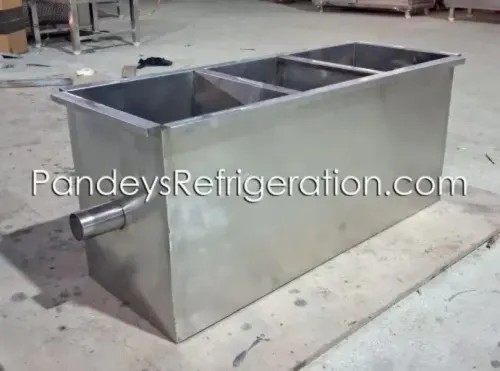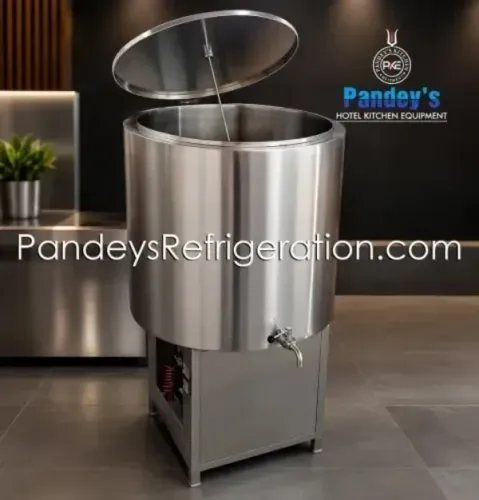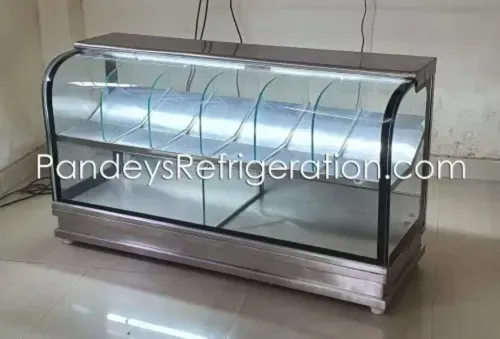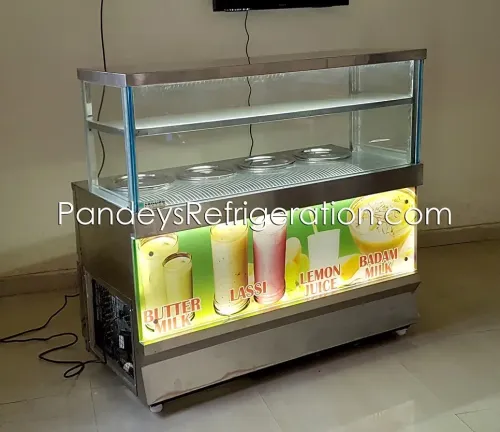
A bar work station earns its floor space when staff repeatedly handle bottles, glasses, ice, garnishes, washing and order handoff in a compact service zone. By the end, you will know which Nagpur venue suits one, how to place it, what dimensions and materials to specify, and how to evaluate the installation before fabrication.
Key takeaways
- Use SS stations where wet cleaning and fast beverage turnover are routine.
- Compare sink, ice, drainage and storage layouts—not just countertop material.
- Place ice, bottles, rinsing and waste within the bartender’s working reach.
- Request fabrication drawings, steel grade, weld details and installation references.
Which Nagpur venues benefit from an SS bar work station?
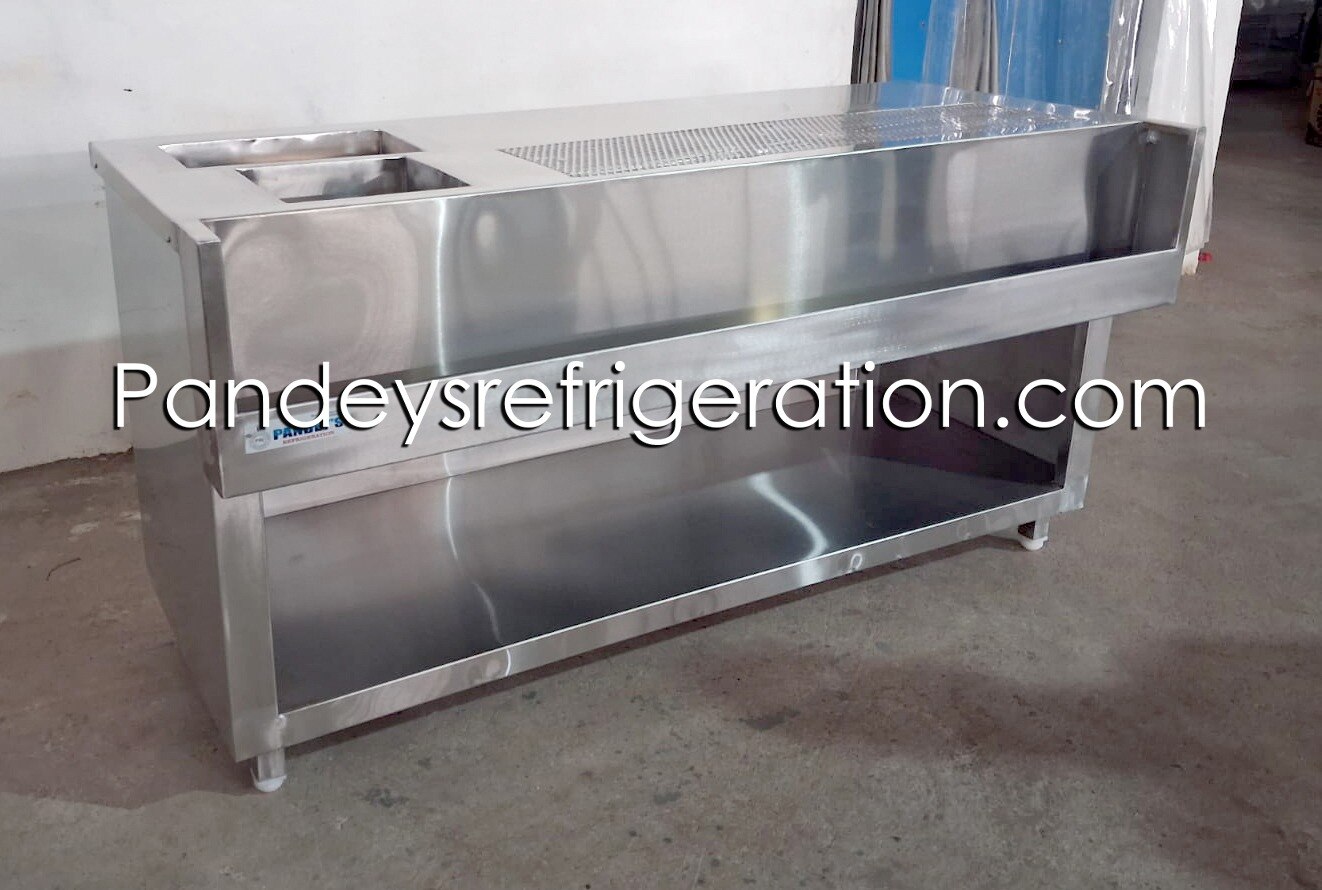
SS bar work station uses in Nagpur are strongest at beverage points with repeated wet cleaning, rapid bottle and glass turnover, or frequent equipment movement. Specify it as a wet-service module with an underbar sink, dump or glass-rinsing sink, ice bin, speed rail, drainboard, shelving, waste provision and water connections—not merely as a stainless-steel counter.
| Venue | Where it fits | Service tasks |
|---|---|---|
| Hotel or restaurant bar | Beside beverage storage, glasswashing and POS | Mix drinks, garnish, stage orders and hand them to servers |
| Café or lounge | Compact back-bar or wall-side station | Prepare coffee accompaniments, mocktails and chilled drinks |
| Banquet venue | Near the service pass or event floor | Hold bottles, ice and glasses, then refill and clear quickly |
| Club or high-volume bar | Dedicated wet-service line | Support fast pouring, rinsing, waste collection and order staging |
| Catering or institutional counter | Temporary or fixed beverage point | Serve drinks, wash tools and manage repeated replenishment |
During service, keep clean glasses on a separate ribbed or perforated draining surface. Move dirty glasses to the dump or pre-rinse sink; placing the ice bin between those paths invites contamination and breakage. Provide a dedicated handwash arrangement with soap and hygienic drying when staff handle fruit, garnishes, dairy or ready-to-serve drinks.
Choose another setup for heavy cutting, hot cooking, bulk food storage or full dishwashing. Those jobs need separate hygienic zones and larger equipment, while the bar station keeps beverage work compact and accessible.
How does a bar work station compare with other counter types?
Choose a wet-service bar station when drinks require constant rinsing, ice access, bottle storage and rapid handoff from one compact point. It suits a commercial bar work station in Nagpur serving repeated orders rather than a counter used mainly for display or occasional preparation.
| Option | Choose it when | Limitation |
|---|---|---|
| Straight counter | You need a simple serving ledge, POS surface or guest-facing counter. | It lacks integrated washing, drainage, ice storage and bottle organization. |
| Cocktail counter | The menu centres on measured mixing, garnishing and presentation. | It needs added wet-service fittings for fast glass turnover. |
| Back bar | You need bottle display, glass storage or equipment behind the main service line. | It is a storage and presentation zone, not a complete washing station. |
| Sink unit | Washing and rinsing are the only essential tasks. | It does not provide a coordinated ice bin, speed rail, drainboard or underbar workflow. |
| Mobile trolley | You serve temporary events, rooms or outdoor points without fixed plumbing. | Its capacity, stability, drainage and storage limit peak-volume service. |
| Wet-service bar station | You need a sink, dump or glass-rinse area, ice bin, speed rail, drainboard and waste access together. | It requires planned water, waste, electrical and ventilation connections. |
Keep dirty glasses moving to the dump or pre-rinse sink, then place washed glasses on a separate ribbed or perforated drain surface. Do not put the ice bin between these paths; spills and broken glass can contaminate ice and slow service.
Choose a straight counter for low-volume beverage service. Choose the wet module when plumbing is available and several bartenders must share one fast, washable work zone.
How should you arrange the station around staff and service flow?
For a bar workstation for restaurant service, place the station beside beverage storage, ice production, glasswashing equipment and POS, but outside the food-pass lane, fire-exit route and guest circulation. A shallow back-bar layout usually protects aisle space better than a deep island.
Arrange the working side as a one-way sequence:
- Keep bottles and the speed rail within the bartender’s reach, with frequently used mixers and garnishes in covered storage below or behind.
- Place the ice bin beside the mixing area, not between dirty-glass return and clean-glass storage.
- Set clean glasses on a separate ribbed or perforated drainboard after washing; send dirty glasses directly to the dump or pre-rinse sink.
- Put the waste bin under the garnish or washing zone, with a removable liner and no need to cross the POS area.
- Position POS at the station’s service end so order entry does not interrupt drink preparation.
- Face the service pass or server pickup shelf toward the dining room, while keeping stools and guest seating outside the bartender’s working aisle.
A dedicated hand-wash sink needs soap, hygienic hand drying and an unobstructed approach; the glasswashing sink is not a substitute. Keep the pass close enough for quick handoff, but give servers a separate approach so they do not cross the bartender carrying bottles or hot drinks.
In Nagpur’s semi-open venues, add a canopy and protect ice, POS and clean glasses from dust and rain.
What should you specify for a hotel or restaurant bar in Nagpur?
Set the working height before ordering: a standing service counter is usually 1,050–1,100 mm high, while the bartender’s worktop is commonly 850–900 mm. For a stainless steel bar counter for hotel service, coordinate both heights with bar stools, glasswasher clearance, under-counter refrigeration and staff reach.
Specify the station against these points:
| Specification | What to state | Why it matters |
|---|---|---|
| Metal | Grade 304 stainless steel for tops, sinks and wetted fabrication; use 316 for saline water or chloride-heavy chemicals | 316 costs more without automatically cleaning better |
| Wet fittings | Underbar sink, separate dump or glass-rinse sink, ribbed drainboard and covered waste aperture | Keeps dirty glassware away from clean drainage and waste |
| Beverage fittings | Ice bin, bottle or speed rail, adjustable shelving and drip trays | Prevents bottles, ice and spills from occupying the worktop |
| Drainage | Trapped waste, accessible clean-out, positive fall and a floor drain connection | Standing water breeds odour and creates a slip hazard |
| Services | Hot and cold water, protected electrical points, and ventilation for refrigerators or ice machines | Enclosed heat-rejecting equipment loses performance |
| Outdoor exposure | Roof or canopy, covered ingredient storage and rain-protected sockets | Nagpur dust, heat and monsoon rain quickly contaminate open surfaces |
Leave enough aisle width for two staff to pass without striking glassware. Keep the ice bin out of the dirty-glass route, and confirm that walls, floor falls, plumbing and electrical access exist before fabrication. A full kitchen prep table remains the safer choice for hot cooking, heavy cutting or bulk food storage.
How do you assess a Nagpur manufacturer before fabrication?
Before approving fabrication, require a site-specific service drawing, not just a product sketch. An SS bar station manufacturer in Nagpur should show water-inlet position, waste-outlet height, floor drain, electrical load, equipment clearances, access panels and the route for removing an undercounter refrigerator or ice machine.
Request these documents and checks before signing off:
1. A dimensioned plan and elevation showing wall, aisle, counter, sink, ice bin, handwash point and appliance openings. Compare every connection with the actual site, because a drain at the wrong height creates standing water or forces unsafe pipework.
2. A drainage drawing identifying trap locations, clean-outs, pipe slopes and floor-drain access. If the bar handles milk, cream, food residue, fried snacks or oily wash water, ask for grease-control sizing based on flow and local drainage requirements; never seal the trap permanently beneath the station.
3. A cleaning and maintenance schedule naming removable panels, washable surfaces, weld finishes, filter access and replacement clearances. Pandey's Refrigeration, for example, can be assessed on whether its drawing leaves technicians room to service refrigeration rather than trapping equipment behind fixed stainless steel.
4. A hygiene layout separating dirty-glass movement to the dump or pre-rinse sink from washed-glass drainage on a ribbed or perforated surface. Include a dedicated handwash sink with soap, hygienic drying and an unobstructed approach.
5. For outdoor or semi-open Nagpur installations, request canopy details, protected electrical connections, covered storage, positive drainage and ventilation calculations for refrigeration and ice machines. Heat trapped under the counter will reduce cooling performance.
Related products
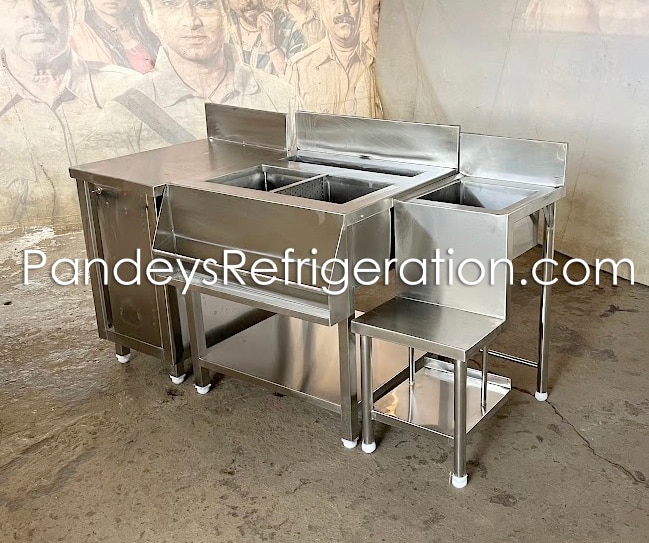 | Hotel Equipments If you're looking for a Stainless Steel (SS) Bar Work Station from Pandey's Hotel Kitchen Equipment, it is designed for efficient beverage... View product → |
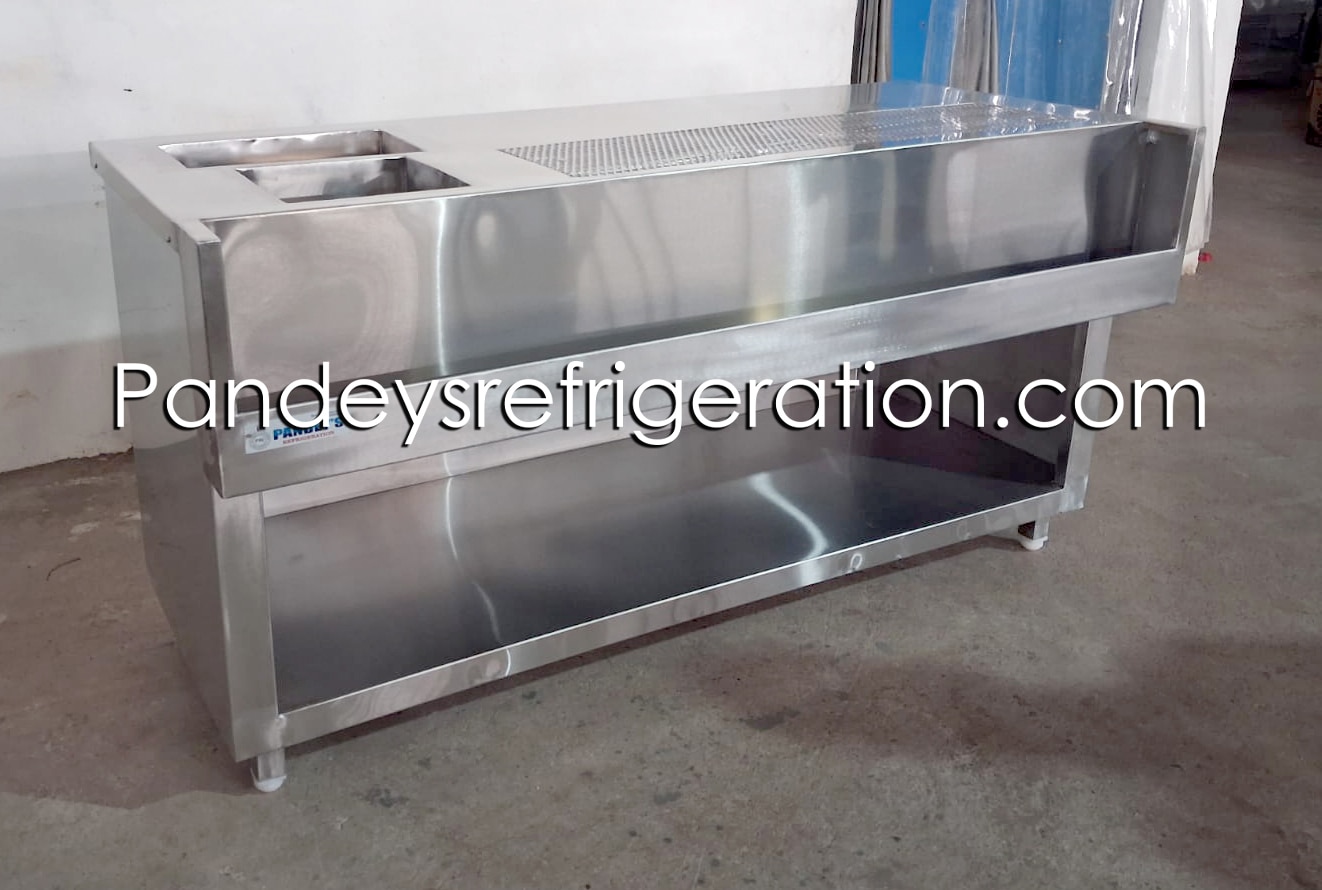 | Hotel Equipments SS Cocktail Mocktail Counter for Bar Section By Pandeys Hotel Kitchen Equipment A Stainless Steel Cocktail Mocktail Counter from Pandeys Hotel Kitchen Equipment is designed to deliver... View product → |
Frequently asked questions
Which Nagpur venues benefit from an SS bar work station?
Hotels, restaurants, cafés, banquet halls, clubs, caterers and institutional beverage counters benefit when staff handle frequent washing, bottle movement, ice service and glass turnover.
How does a bar work station compare with other counter types?
Stainless steel handles wet cleaning, heat, spills and equipment movement better than many wood, laminate or stone counters, while requiring careful drainage and noise control.
How should you arrange a bar work station around staff and service flow?
Keep the ice bin, speed rail, sink, glass rinser, drainboard and waste point within short reach, then position shelving and refrigeration to avoid crossing clean and dirty workflows.
What should you specify for a hotel or restaurant bar in Nagpur?
Specify SS 304 or another verified grade, sheet thickness, sink dimensions, drain connections, splashbacks, adjustable feet, shelving, ice capacity, waste provision and service clearances.
How do you assess a Nagpur manufacturer before fabrication?
Ask for a measured fabrication drawing, steel-grade confirmation, weld and edge-finish details, plumbing provisions, installation scope, warranty terms and references for completed commercial bars.
Keywords