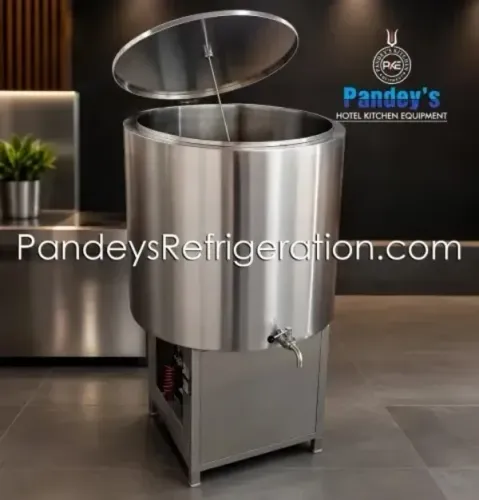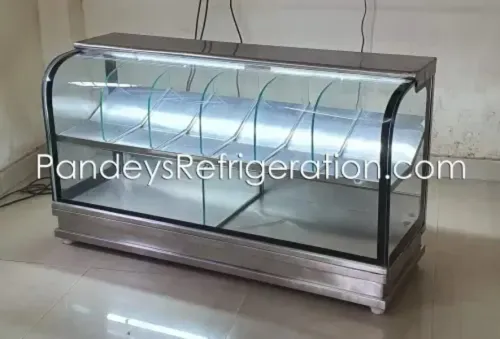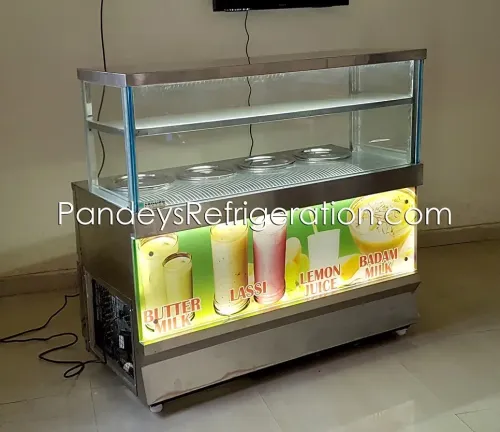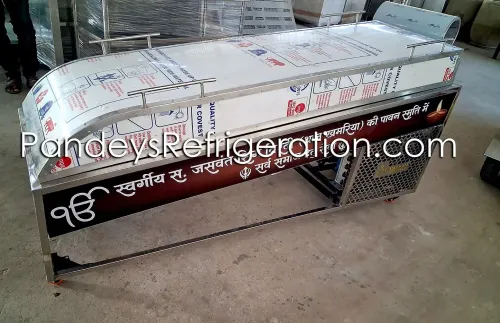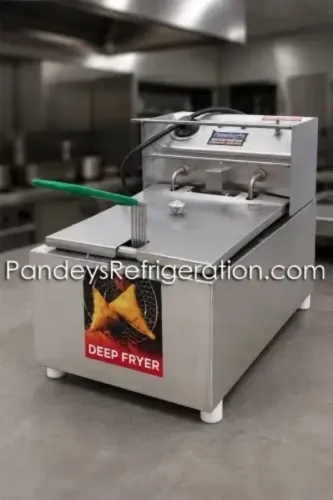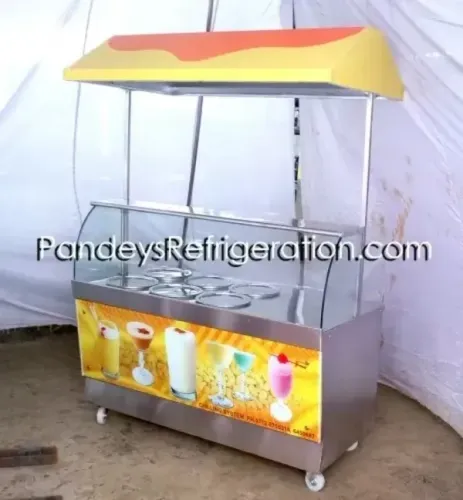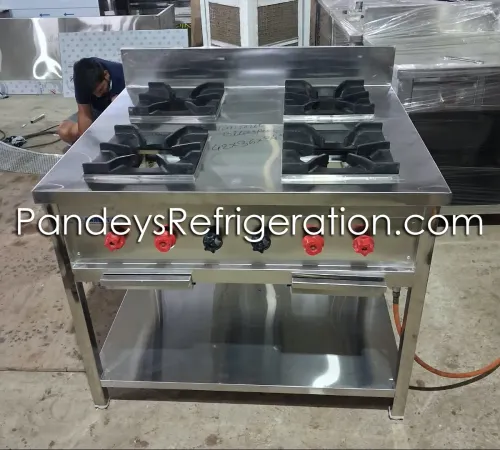
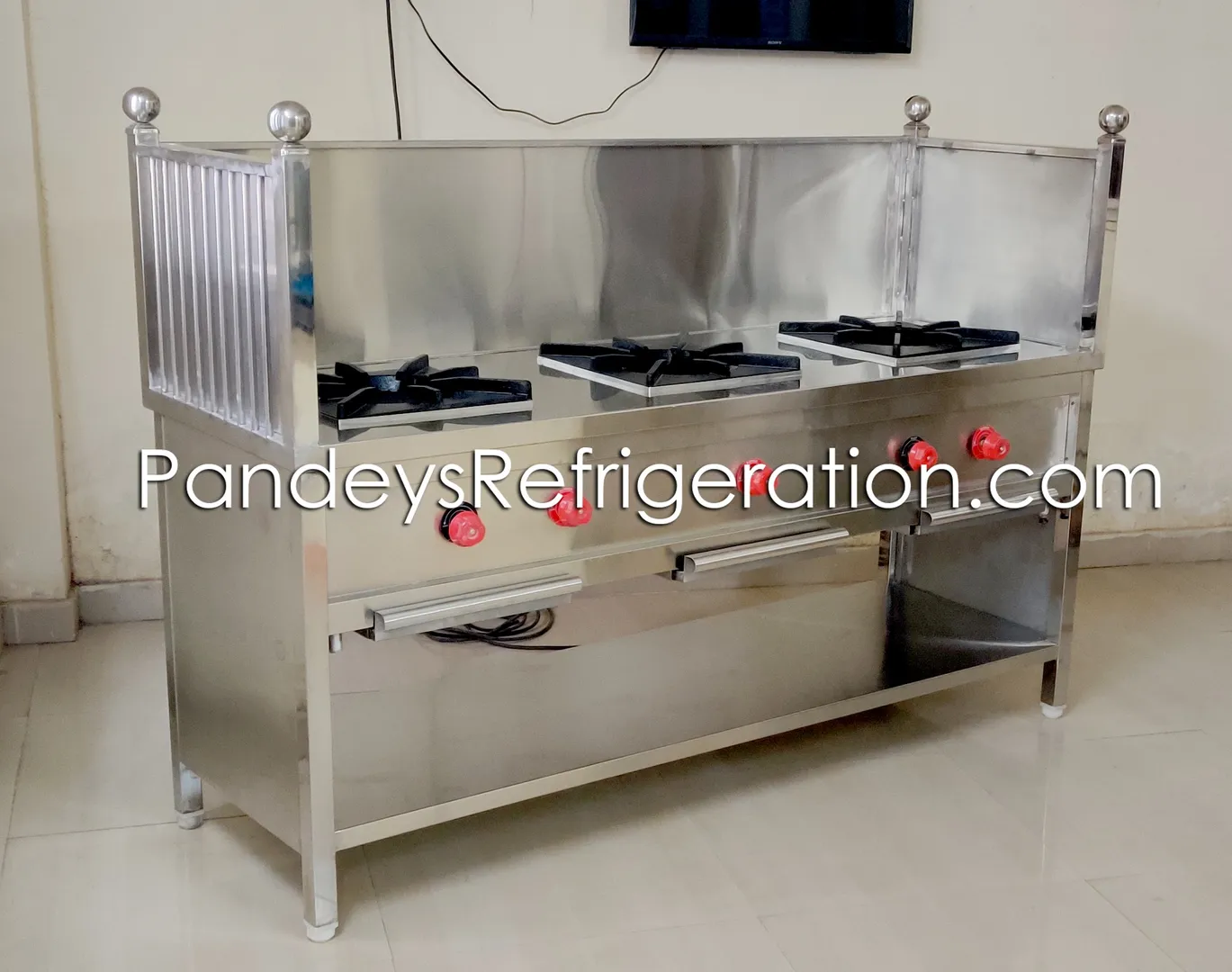
Standard commercial kitchen equipment offers convenience, predictable dimensions, and relatively quick procurement. It works well when the available space and operating requirements match common product configurations. However, custom stainless steel fabrication may be more suitable when a kitchen has unusual dimensions, specialised processes, or limited floor area.
The decision should be based on operational value rather than the assumption that customised equipment is always better.
Situations Where Standard Equipment Works Well
Standard worktables, sinks, racks, and cooking appliances may be appropriate when:
- The kitchen has a regular rectangular layout
- Equipment dimensions fit without modification
- Production volumes are moderate
- The menu uses common preparation methods
- Replacement speed is important
- No specialised storage or utility arrangement is required
Standardisation can also make future replacement easier because equivalent models may be readily available.
When Custom Fabrication Solves a Real Problem
Customised equipment is useful when standard units would leave unusable gaps, block movement, or fail to support the required process.
Common applications include:
- Counters designed around columns
- Sinks fitted to existing plumbing positions
- Worktables with dedicated appliance spaces
- Racks for specific trays or utensils
- Integrated preparation and refrigerated counters
- Special-height workstations
- Mobile units for changing service needs
- Exhaust hoods designed for a particular cooking line
For compact restaurants and cloud kitchens in Nagpur, custom fabrication can help use corners, wall spaces, and vertical areas that might otherwise remain unproductive.
Comparing Cost and Long-Term Value
Custom equipment may have a higher initial cost because it involves measurement, design, individual production, and additional coordination. That cost should be compared with the operational benefit it creates.
A properly designed unit may reduce staff movement, increase storage capacity, simplify cleaning, or eliminate the need for multiple separate products. In such cases, the total value can justify the additional investment.
Customisation becomes poor value when it adds decorative complexity without improving function. Every special feature should have a clear purpose.
Accuracy Is Essential
A customised unit is only as reliable as the information used to produce it. Errors in room measurements, utility positions, equipment clearances, or appliance dimensions can lead to costly changes.
Before fabrication begins, confirm:
- Final site dimensions
- Finished floor level
- Wall cladding thickness
- Drainage and water points
- Electrical and gas connections
- Door and passage widths
- Adjacent equipment dimensions
- Service access requirements
The drawings should be approved by the person responsible for kitchen operations as well as the project team.
Think About Cleaning and Maintenance
A unit that fits perfectly can still create problems if it cannot be cleaned or repaired easily. Avoid designs with inaccessible corners, sealed-in appliances, or insufficient clearance around serviceable components.
Removable shelves, adjustable feet, smooth joints, and accessible panels can improve long-term usability.
Choosing a Fabrication Partner
Ask prospective fabricators about material specifications, reinforcement methods, welding finish, drawing approval, project references, and installation support. Pandey's Refrigeration provides commercial kitchen and refrigeration equipment solutions for businesses in Nagpur and can be evaluated for projects requiring site-specific fabrication.
Custom stainless steel fabrication is the better choice when it solves a measurable space, workflow, hygiene, or capacity problem. Standard equipment remains practical where it already meets those requirements. A balanced kitchen may use both, applying customisation only where it delivers meaningful operational improvement.
Keywords