A successful restaurant kitchen setup should help employees prepare and serve food consistently during the busiest periods. Expensive appliances alone cannot achieve this. The kitchen must support safe movement, appropriate storage, timely preparation, effective ventilation, and manageable cleaning.
Several planning mistakes repeatedly cause delays and avoidable costs in new restaurants.
Choosing Equipment Before Finalising the Menu
The menu determines which cooking methods, preparation surfaces, storage conditions, and holding equipment are required. Ordering appliances before confirming the menu can result in unnecessary purchases or missing capacity.
A restaurant focused on grilled foods needs a different cooking line from one serving bakery products, South Indian dishes, or high-volume takeaway meals. Menu engineering should precede equipment selection.
Ignoring Peak-Hour Demand
Average daily sales do not show how busy the kitchen becomes during lunch or dinner. Equipment should be evaluated against peak order volume and the number of dishes prepared simultaneously.
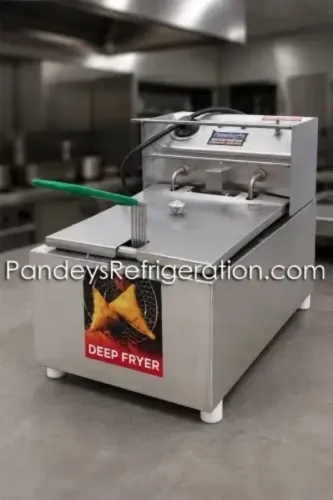
An undersized fryer, refrigerator, or dishwashing area may slow the entire operation. At the same time, oversizing every unit wastes space, energy, and capital.
Creating Too Much Staff Movement
A poorly planned layout forces cooks to walk repeatedly between storage, preparation, cooking, and plating areas. These extra steps become more disruptive when several employees share a narrow kitchen.
Group related activities together. Frequently used ingredients should be close to their preparation stations, while the plating area should connect logically with the service counter.
Overlooking Ventilation
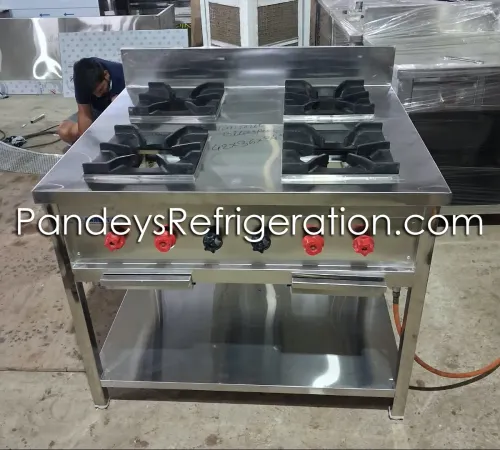
Nagpur’s high seasonal temperatures can make an already hot kitchen difficult to operate. Insufficient exhaust capture allows heat, smoke, grease, and odours to spread through the workplace or dining area.
Ventilation should be planned according to the cooking equipment, heat load, hood dimensions, duct route, and replacement-air requirements. Simply installing a powerful fan does not guarantee effective ventilation.
Providing Inadequate Refrigeration
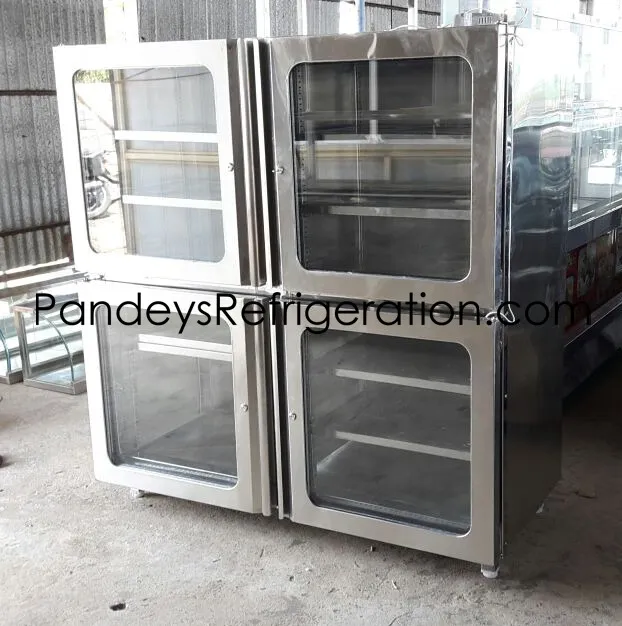
Cold storage should be based on delivery frequency, ingredient volume, menu composition, and operating schedule. A kitchen receiving fresh supplies daily may need a different configuration from one buying frozen items in bulk.
Separate storage may also be required for raw ingredients, dairy products, vegetables, prepared food, beverages, and desserts. Overfilled refrigerators can restrict airflow and make stock organisation difficult.
Forgetting Cleaning and Waste Movement
Food preparation and waste should not repeatedly cross the same path. Dishwashing areas need adequate landing space for dirty and clean utensils, along with drainage and ventilation.
Equipment should also be positioned so floors, walls, undersides, and corners remain accessible for cleaning.
Failing to Coordinate Utilities
Cooking and refrigeration equipment may require electricity, gas, water, drainage, or exhaust connections. If equipment drawings are not coordinated with site services, the project may need late changes.
Before installation, verify each utility point against the final equipment schedule.
Selecting Only by Initial Price
A low quotation may exclude installation, transport, accessories, testing, or service. It may also use thinner materials or lower-capacity components.
Compare suppliers using the same specifications and scope. Pandey's Refrigeration works with commercial kitchen and refrigeration requirements in Nagpur, allowing restaurant owners to discuss equipment in relation to layout and operating needs.
A restaurant kitchen should be tested conceptually before construction. Walk through receiving, storage, preparation, cooking, service, washing, and waste handling on the proposed layout. Identifying conflicts at this stage is far less disruptive than correcting them after the restaurant begins serving customers.
Keywords