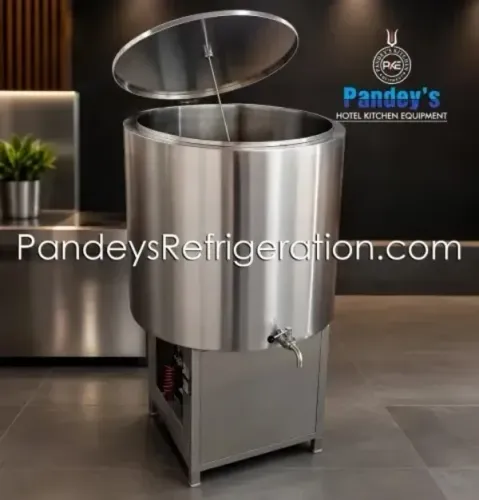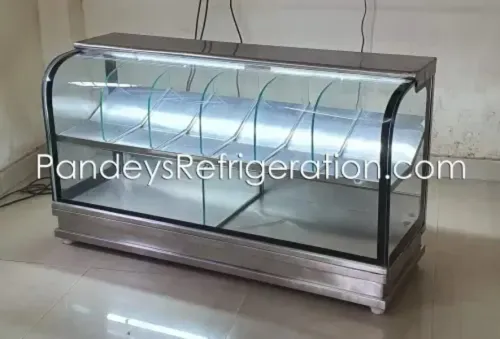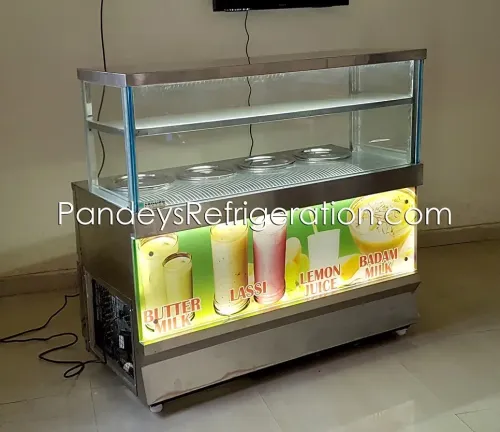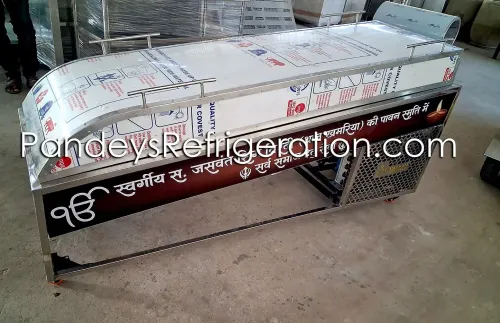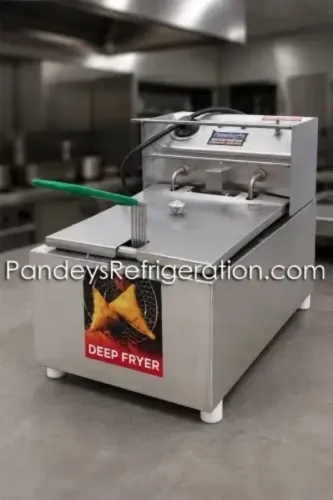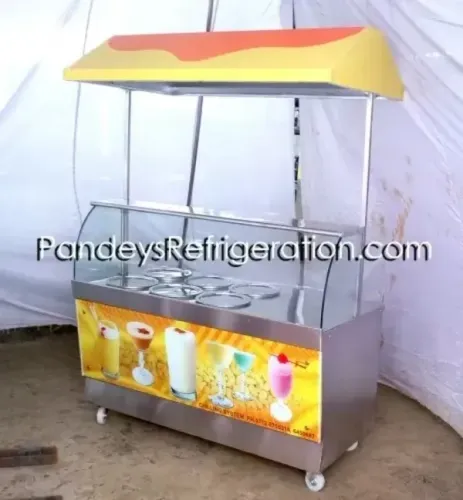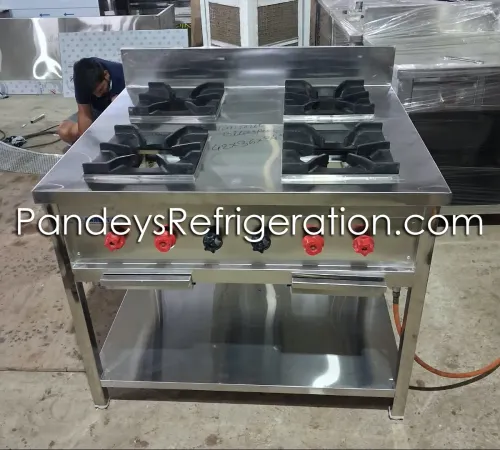
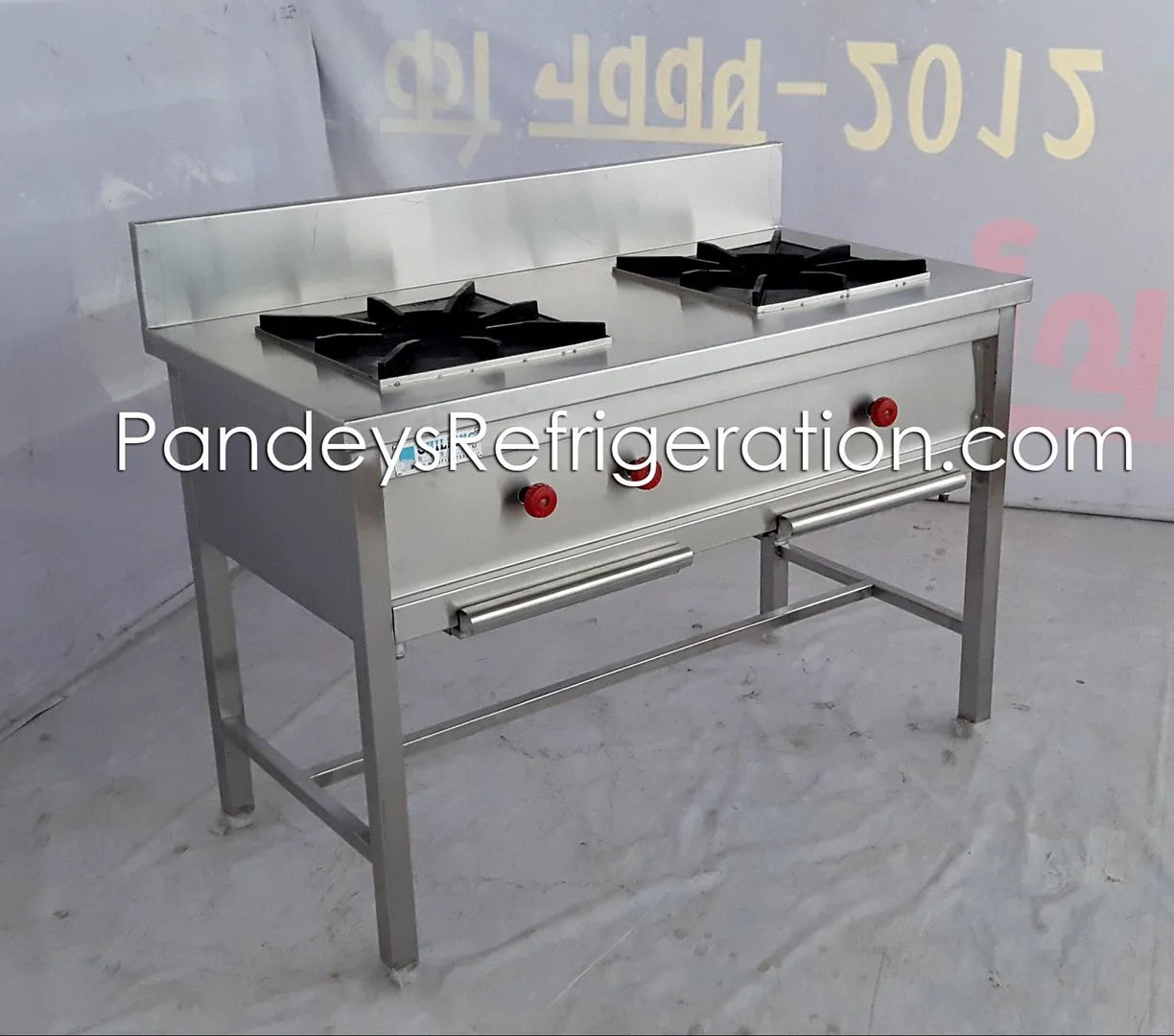
Commercial kitchen fabrication converts an operational requirement into equipment that fits a specific food-production space. It is used when standard products cannot adequately address room dimensions, workflow, storage needs, menu requirements, or utility arrangements.
Restaurants, hotels, canteens, and cloud kitchens in Nagpur can benefit from understanding the fabrication process before approving equipment. Better information at the beginning generally reduces modifications during installation.
Site Measurement and Requirement Study
Fabrication should begin with accurate site measurements. The team needs to understand wall lengths, floor levels, door widths, column positions, drainage points, electrical connections, water supply, gas lines, and exhaust routes.
Operational information is equally important. The fabricator should know:
- What food will be prepared
- How many meals or orders are expected
- How many people will work in each section
- Which utensils and containers are used
- How ingredients move through the kitchen
- Which areas require refrigeration
- How equipment will be cleaned
Without this information, a technically well-built unit may still be inconvenient to use.
Design and Equipment Detailing
After the site study, dimensions and specifications are prepared for individual units. Depending on the project, these may include worktables, sinks, storage cabinets, wall shelves, cooking ranges, exhaust hoods, trolleys, refrigerated counters, and service counters.
Equipment drawings should identify dimensions, material thickness, shelf arrangements, utility positions, and relevant construction details. Hotel owners or kitchen consultants should review these before production begins.
A drawing approval process is useful because verbal discussions can be interpreted differently by the buyer, contractor, and fabrication team.
Material Selection
Stainless steel is widely used, but every part of a kitchen does not necessarily require the same specification. Wet areas, food-contact surfaces, heated sections, structural supports, and decorative panels may have different requirements.
Material selection should consider:
- Food-contact suitability
- Exposure to moisture and chemicals
- Working temperature
- Weight placed on the unit
- Frequency of movement
- Cleaning method
- Expected service life
- Project budget
The lowest initial price may not offer the best value if the equipment bends, corrodes, or becomes difficult to maintain.
Cutting, Forming, Welding, and Finishing
During production, sheets and supporting sections are cut, bent, assembled, and welded. Quality fabrication requires dimensional accuracy and careful finishing.
Poorly finished welds or folds may create rough surfaces and hygiene concerns. Weak internal support can cause worktops to flex. Doors and drawers should move smoothly, and movable equipment should use wheels suited to the intended load.
Trial Inspection
Where practical, equipment should be inspected before dispatch. Buyers can verify dimensions, materials, fittings, finish, shelf positions, and utility openings against the approved specification.
This inspection is particularly helpful for custom-built units because changes are usually easier at the workshop than after the equipment reaches the site.
Delivery and Installation
Nagpur project sites may have restricted access, completed interiors, narrow passages, or fixed opening schedules. Delivery planning should therefore consider equipment size, entry routes, unloading arrangements, and installation sequence.
Pandey's Refrigeration supports commercial kitchen projects requiring fabricated equipment and refrigeration solutions. Buyers should confirm whether the agreed scope includes placement, assembly, utility coordination, testing, and final adjustments.
Successful commercial kitchen fabrication depends on collaboration. When owners, consultants, contractors, and fabricators exchange accurate information, the finished equipment is more likely to fit the site, support the workflow, and perform reliably under daily operating conditions.
Keywords