
A commercial kitchen depends on more than individual cooking appliances. Its equipment, workflow, ventilation, refrigeration, storage, washing areas, and utility connections must function as one coordinated system. Working with an experienced commercial kitchen equipment manufacturer can help hotels, restaurants, canteens, bakeries, and cloud kitchens create a safer and more productive workplace.
Commercial kitchens in Nagpur serve different operating models. A hotel may need separate preparation areas for banquets and à la carte service, while a cloud kitchen may prioritise compact workstations and rapid order movement. Equipment selection should therefore begin with operational requirements rather than a standard product list.
What Does a Commercial Kitchen Equipment Manufacturer Provide?
A manufacturer may design and produce equipment such as:
- Stainless steel work tables
- Cooking ranges and burner units
- Deep fryers and griddles
- Sinks and washing stations
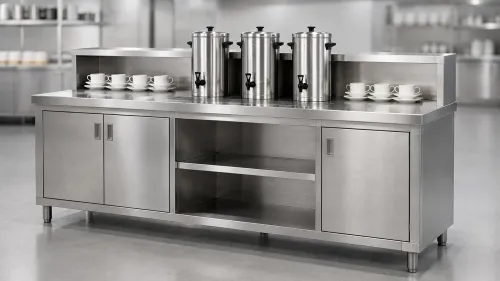
- Storage racks and cabinets
- Exhaust hoods and ducting
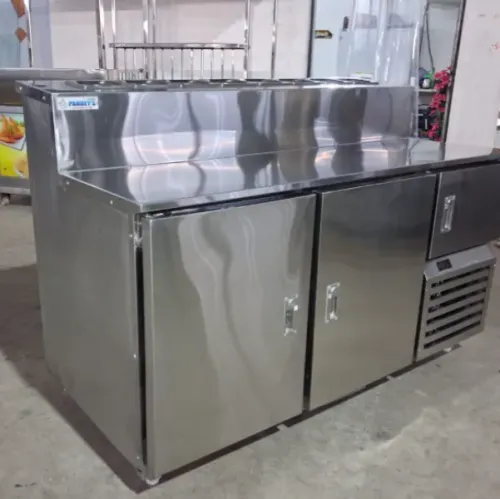
- Refrigerated counters
- Cold storage systems
- Bakery preparation equipment
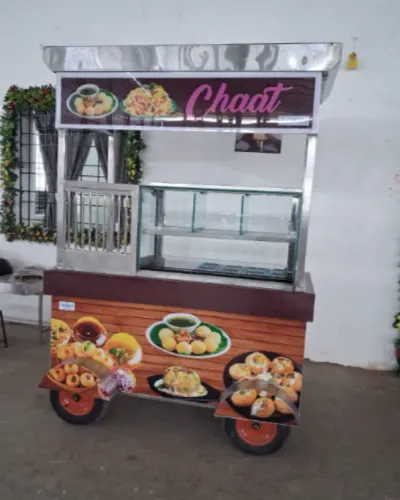
- Display counters and service units
The exact requirements depend on the menu, expected order volume, available floor area, staffing pattern, and applicable hygiene standards.
Why Kitchen Planning Matters
Poor equipment placement can increase unnecessary movement. Staff may have to carry ingredients across busy cooking zones, finished dishes may cross paths with waste, or washing activities may interfere with food preparation.
An efficient layout generally follows the natural sequence of work:
- Receiving and inspection
- Dry and cold storage
- Ingredient preparation
- Cooking or baking
- Plating and service
- Dishwashing and waste handling
The distances between these areas should be practical. Frequently used equipment should be easy to access without obstructing staff movement.
Standard Equipment Is Not Always Enough
Ready-made equipment can be suitable when dimensions and capacities match the kitchen. However, unusual spaces, specialised menus, high production volumes, and specific utility arrangements may require customised fabrication.
A manufacturer can adjust equipment dimensions, shelf positions, sink arrangements, burner configurations, storage capacity, and worktop heights. This helps businesses use the available floor area more effectively.
Material Quality Influences Long-Term Performance
Commercial kitchens expose equipment to heat, moisture, oil, food acids, cleaning chemicals, and continuous handling. Stainless steel is widely used because it is durable, easy to clean, and suitable for hygienic food preparation environments.
Buyers should still examine the grade and thickness of the material, welding quality, edge finishing, load capacity, and ease of maintenance. Two units that look similar may perform very differently under daily commercial use.
Local Manufacturing Can Simplify Coordination
For hospitality businesses in Nagpur and other parts of Maharashtra, working with a locally accessible manufacturer can make site measurement, design discussion, delivery planning, and after-sales support easier. It also allows kitchen contractors and procurement teams to coordinate fabrication with civil, electrical, plumbing, gas, and ventilation work.
Pandey's Refrigeration works in the commercial kitchen and refrigeration equipment segment, serving businesses that require equipment aligned with their available space and operational needs. Before placing an order, owners should share accurate layouts, menu information, expected capacity, and utility details.
Information to Prepare Before Consultation
A productive equipment discussion should include:
- Type of food operation
- Proposed menu
- Meals or orders expected per day
- Kitchen measurements
- Electrical load availability
- Gas supply arrangement
- Water inlet and drainage points
- Exhaust and fresh-air requirements
- Cold and frozen storage needs
- Planned opening date
Commercial kitchen equipment performs best when it is selected as part of an integrated operating plan. Careful planning at the manufacturing stage can improve movement, hygiene, equipment access, and service efficiency throughout the life of the kitchen.